
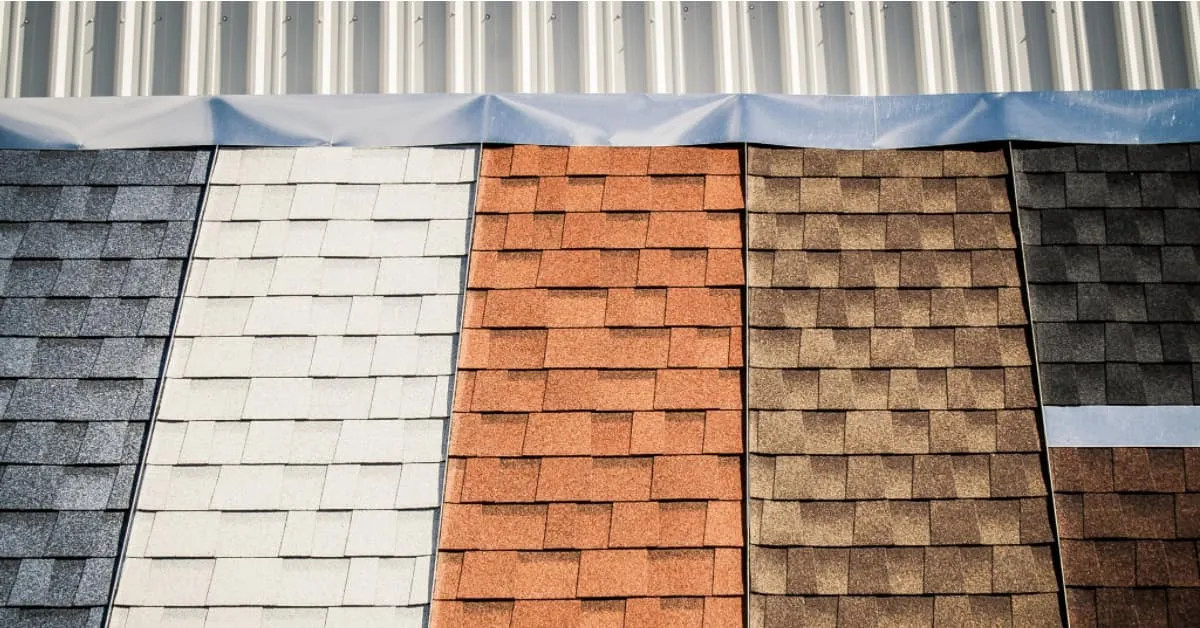
Roof coating is a liquid-applied protective layer that bonds to an existing roof surface, adding weather resistance and extending the roof’s serviceable life. It is most commonly applied to flat or low-pitch roofs, though some coatings are formulated for pitched roof materials such as tiles or felt.
Unlike a roof replacement, coating works with the existing structure — making it a lower-cost intervention when the underlying roof is still sound.
How Roof Coating Works
A roof coating is applied directly to the existing roof surface, where it cures to form a seamless, waterproof membrane. Depending on the product, it may also provide UV resistance, helping to reduce heat absorption and slow the degradation of the roof material beneath.
The coating fills minor surface cracks and gaps, which can address early-stage water ingress before it develops into a more significant problem. It is not, however, a substitute for structural repairs — any underlying damage should be assessed and resolved before a coating is applied.
Types of Roof Coating
Several different coating types are in common use, each suited to different roof materials and conditions:
Acrylic Coatings
Water-based and UV-resistant. Acrylic coatings are widely used on flat roofs and perform well in terms of reflectivity, helping to keep the roof surface cooler. Less suited to areas with standing water.
Silicone Coatings
Highly water-resistant and durable in wet conditions, making them a practical choice for roofs that collect standing water. Silicone coatings tend to attract dirt over time but require minimal maintenance otherwise.
Polyurethane Coatings
Harder and more impact-resistant than acrylic or silicone options. Often used where foot traffic or physical wear is a factor.
Bitumen-Based Coatings
Commonly applied to felt flat roofs. Bitumen coatings are a cost-effective option for extending the life of an ageing felt surface.
When Roof Coating Is Worth Considering
Roof coating is most appropriate when:
- The existing roof is structurally sound but showing early signs of surface wear
- Minor cracking or surface deterioration is present but hasn’t yet caused water ingress
- The roof is approaching mid-life and a full replacement isn’t yet warranted
- Energy efficiency is a consideration and a reflective coating could reduce heat gain
It is not appropriate as a remedy for significant structural damage, failed joints, or roofs that are already leaking persistently. In those cases, repair or replacement should be assessed first.
Roof Coating vs. Roof Replacement
Coating is a maintenance intervention, not a like-for-like alternative to replacement. A well-applied coating on a sound roof can add several years of serviceable life and defer the cost of replacement. But if a roof is at or beyond its expected lifespan, coating over deteriorating material is unlikely to be cost-effective in the long run.
A qualified roofer can assess whether coating is appropriate for a given roof or whether more substantial work is needed.
If you’re in Wiltshire and unsure whether your roof needs coating, repair, or replacement, LH Roofing offer free assessments across Westbury, Warminster, Trowbridge, Melksham, and the surrounding area. Call Leith on 07811 286915.